It can be very disheartening to watch your wood rot, and your wood will be in a very bad condition if it is not treated immediately. You do not have to dispose your furniture when you notice it is beginning to rot, but using a household bleach swab is one of the best options you can make use of. Will bleach stop wood rot? The answer is yes, and it is okay for you to find this new revelation very shocking and surprising. Bleach works no matter how shocking it is.
High humidity levels and fungi causes wood rot, and the high humid levels in the wood creates a moisture environment deep down inside the wood that provides fungus with temperature and food to survive inside of the wood. Breeding fungi inside of the wood will find a way to ravage, multiply, breed, feed, and infest the wood, causing the wood to decay completely. It can be heartbreaking and confusing to watch your wood deteriorate.
Will Bleach Stop Wood Rot
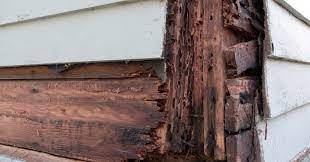
When treating wood rot, household bleach treats and stops it effectively. You might be wondering how possible using bleach to solve wood rot issues is, but you do not have to be confused anymore as that is what this post is here to talk to you about. Household bleach contains chlorine, and this chlorine penetrates deeply inside wood to kill the agent responsible for wood rotting when it is applied on the wood. This rotting can be fungi.
The interesting part of making use of chlorine is it gets rid of rot spots that the wood rot has caused on the wood, and this causes the wood to look like new. However, using chlorine has its own downsides, and altering the color of the wood is one of its downsides. In order to prevent chlorine from altering the color of wood, diluting chlorine with warm and clean water before applying it on wood is very important.
You also need to consider the surface of the wood you are working on before going ahead to apply chlorine on wood, and working on an impervious surface using chlorine is very crucial, because you will have to scrub the chlorine in after applying it. Scrubbing he chlorine in helps in penetrate deeply inside the wood and eliminate the fungi, instead of remaining on the surface of the wood. Everything you need to know about wood rot is detailed in this post.
In this post, we will be talking about how to prevent wood rot from attacking wood, the various types of wood rot, and preventive measures you can take to ensure that your wood doesn’t get affected by wood rot.
Causes Of Wood Rot
You can effectively treat wood rot when you have a good idea of the type of wood rot and what has caused your wood to rot. Wood decay issues arises when the wood has excess amount of moisture inside of it, and water creates a high humidity and moisture environment which is a good breeding habitat for fungi and bacteria. This type of environment makes it very easy for the wood to be infested by bacteria and fungi.
Fungus spores tends to grow and colonize the wood when fungus feeds on the wood, which causes the spreading and decaying of wood. One type of wood rot is dry rot, and we labeled this type of wood rot as the most destructive and dangerous in one of our posts. It makes use of twenty percent of moisture to cause wood to decay, while wet rot on the other hand makes use of about fifty percent of moisture to cause wood decay.
You can evidently see that moisture is a major player when talking about wood rot, and we cannot stress enough how important it is for you to treat wood rot in the early stages before it goes on to spread to other furniture in your home.
Types Of Wood Rot
It is very essential that you have a good idea of the type of wood rot you are dealing with so you can know better ways to deal with the rot. Knowing the type of wood rot will provide you with suitable ways to deal with the rot, and there are three types of wood rot you are going to face at some point.
Brown Rot
This doesn’t mean the color of the rot is brown, but causing the wood to shatter is the characteristic feature of the brown wood rot. Brown rot causes wood to crumble totally, causing the decay process to elongate. This means the wood will rot and eventually turn to powder.
Dry Rot
The dry rot is a type of wood rot that causes wood to rotten completely because its decay process has been completed. The other types of rot which is the white and brown rot progresses into the dry rot, and dry rot refers to the rotten process itself. This means the wood would no longer rot.
White Rot
You can easily detect white rot using its color, but it doesn’t have the same or exact white color. It remains white until in reaches a particular rotting stage, and white rot is responsible for woods turning soft. Making white rot turn soft is not the only characteristics of white rot, but white rot also causes wood to have a sponge-like texture.
Will Bleach Stop Wood Rot?
There’s is a common enemy of the exterior or interior wood rot, and moisture is the common enemy. Decay cannot be stopped when water starts finding its way inside of wood, and the common agent for dealing with this decay or rot is bleach. Bleach is recommended for treating all kinds of wood rot, and it works very well when used on surfaces that are very hard to penetrate. You can count on borate solutions to treat all kinds of wood rot.
In some cases, Borate isn’t used in treating dry rot, but bleach remains the best agent used in dealing with wood rot.
Steps Used In Using Bleach To Treat Wood Rot
Identifying the source of moisture is the first step you have to take when dealing with wood rot, and fungi tends to attack when wood has twenty percent of moisture in it. It is very necessary that you eliminate moisture or you are providing fungi with temperature, environment, and food to keep breeding inside wood, and some of the ways water enter wood is through leaking windows that allow water to enter wood.
This is why it is necessary to repair plumbing issues in your home and making use of dehumidifiers to ensure woods stays dry. The next step you have to take after identifying the source of moisture is to prepare the wood for treatment, and preparing wood for treatment involves scraping out crevices, corners, and hollows to eliminate pieces of rotten wood in it.
You can make use of stiff brush in clearing out these wood particles before going ahead to treat wood, but you can consider seeking professional help if the wood rot has spread to different parts of the wood extensively. Moving on to the next step, you can go ahead and apply bleach which can be trusted in preventing and treating wood rot. The essence of using bleach is it kills fungi to the point where fungi can no longer reside in the wood again.
Stains that wood rot has left on the wood will also be eliminated by using bleach, and using bleach will cause wood to look bright and new. Applying bleach is the next step for you to take after you are done preparing your wood for treatment, but using chlorine might affect wood because of its bleaching properties. This is why using diluted chlorine is very important, and you can make use of a spray or liquid chlorine.
Working in a well-ventilated area is one of the factors you need to take into consideration when using bleach to work on a fungi infested wood, and other things you can make use of includes nose mask, goggles, gloves as they are very crucial in preventing bleach from entering the eyes or from choking you. Keeping your wood in good condition is the next thing you have to do after you have applied bleach on the wood.
Sealing cracks with caulks is very important, and apply protective and preventive measures so rain and water will not seep into wood inside your home. Consider making use of a dehumidifier if you live in a high humid region.
Final Note – Will Bleach Stop Wood Rot
The moisture inside of the wood is the reason fungi resides inside of your wood as the moisture provides it with the temperature and wood found inside the wood. We have talked about the types of wood rot, causes of wood rot, and steps you can take in dealing with wood rot. You can see from everything we have said in this post that bleach is the best for dealing with wood rot, and this is because it kills fungi and ensures fungi doesn’t affect wood again.