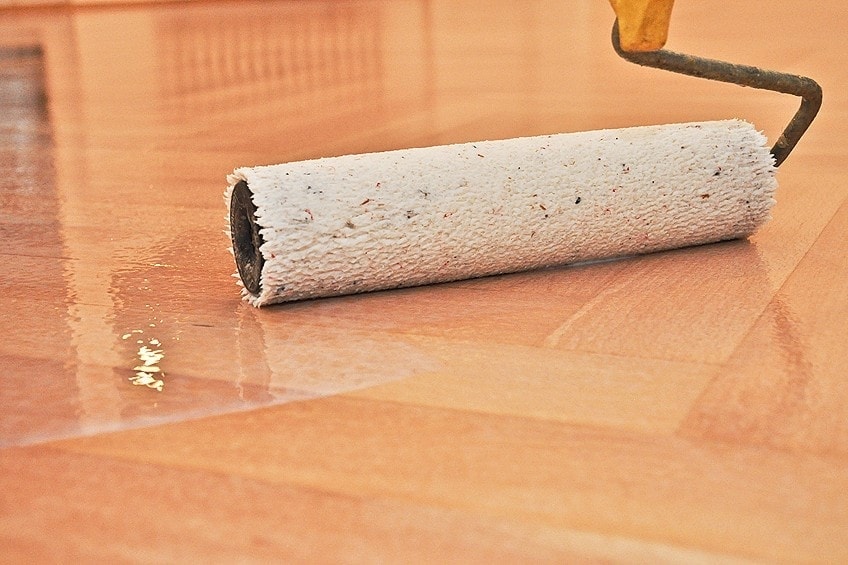
Every woodworker faces one challenge when working on wood. It will always challenge every enthusiastic worker with waiting for polyurethane to get dried before curing the wood.
Waiting natural for wood to get dried is the right thing to do, but this article will show you how to speed up polyurethane drying time. There are a couple of ways a woodworker can adopt to achieve this, and there are two different types of polyurethane.
How Long Will It Take Polyurethane To Get Dried
The two types of polyurethane are oil-based and water-based polyurethane. It leaves us with the question of how long it takes polyurethane to get dried.
It takes about twenty-four hours for oil-based polyurethane to get dried, and it would take about six hours for water-based polyurethane to get dried. What every woodworker should know is that there is a big difference between curing time and drying time.
Curing time refers to when the wood will be prepared and ready for use once the finishing process is complete. For example, oil-based polyurethane has about one month of curing time, which also depends on the weather condition.
The water-based polyurethane, on the other hand, takes about two to five days to get cured. Once a wood or furniture or floor gets cured, you can start taking them indoors or putting rugs on floors.
Factors That Affect The Drying And Curing Time Of Polyurethane
It is a common fact that water-based polyurethane gets dried faster compared to oil-based polyurethane. Still, several factors will influence the drying and curing time of polyurethane. Let us discuss these factors extensively below;
Polyurethane Type
We have already mentioned earlier that a water-based polyurethane gets dried and gets cured faster than oil-based polyurethane.
It means you should go for a water-based polyurethane instead of an oil-based polyurethane, as water-based polyurethane takes about six hours to get dried before carrying a second layer and sanding finish.
On the other hand, oil-based polyurethane takes about twenty-four hours to dry before another layer finishes and sands.
Type Of Wood
When it comes to flooring furniture, aromatic cedar and rosewood are not the best wood options to use. These woods are not recommended because they do not permit cross-linking as soon as possible, and cross-linking is dependent on polyurethane drying and curing time.
On the other hand, some woods influence how fast a wood gets dried and cured. It is why you must go for wood that will fasten the drying and curing time of polyurethane.
Humidity And Temperature
Polyurethane will have a faster drying and curing time if there is high humidity and temperature. For example, there is proof that polyurethane gets dried under 21 degrees celsius, but polyurethane will take longer to get dried at a shallow temperature and humidity.
Wood Surface
The surface of the wood being worked on determines how fast it will take polyurethane to get dried and cured. Rough surfaces will not all the wood absorb the finish totally, while a well-sanded wood surface will cause polyurethane to get dried quickly.
When polyurethane gets dried quickly, it will pave the way for you to prepare for the second phase of layering and sanding.
How To Speed Up Polyurethane Drying Time

There are four ways to speed up the drying time of polyurethane, and this is what we will be discussing next in this detailed article.
1. Applying A Thinner
Polyurethane will get dried faster when it is thinned using Naphtha, and this is based on the fact that Naphtha has a high evaporating action than turpentine or spirit. If thinner evaporates quickly, the polyurethane will get dried faster, so Naphtha remains the best thinner to use when using polyurethane.
2. Make Use Of Water Based Polyurethane
We have mentioned a couple of times already in this article that water-based polyurethane gets dried faster than oil-based polyurethane, so you should consider working with a water-based polyurethane if you want to complete working on wood on time.
The wood will dry exactly six hours after application, and the surface will not be tacky so that you can walk easily on the finished surface.
It means you can start subsequent finishing steps like sanding and adding a second layer of coating immediately. Wood should be allowed to get cured for about two days to be ready for use, which allows you to walk barefooted on the surface.
3. Apply Heat
Another way to increase drying time is to apply heat on the wood, and some people use heat lamps, space heaters, and hair dryers.
This process will not speed up the curing time of the wood, but it will speed up the drying time of the wood after applying polyurethane. Polyurethane will get dried and cured quickly on days with very high temperatures.
Read this: How To Waterproof Wood Furniture For Outdoors
4. Reduce Humidity
Wood will get dried quickly if the humidity is reduced, but high humidity will cause a prolonged drying time. Cleaning up AC filters or using a room humidifier ensures stable room humidity in your work area, and it will also cause polyurethane to get dried faster. Therefore, temperature and humidity are two vital factors that you need to pay attention to.
Did polyurethane fail To Get Dried? Here’s What To Do
Most times, oil-based polyurethane takes so long to get dried. It doesn’t mean oil-based polyurethane is a bad finish, but its oil component takes too long to get dried.
The type of product used might not possibly be why polyurethane has refused to get dried, but if the wood contains natural oils, it might take so long to get dried.
Applying heat using a blow dryer or heat lamp will help fix a polyurethane that refuses to get dried, so applying heat to a polyurethane surface that won’t get dried will speed up the drying process.
Exotic woods, like woods from the jungle except for mahogany, contain an oily resin, and you can feel how oily it is when working with these woods.
The solvent in this resin is the same solvent found in polyurethane, so applying polyurethane to this type of wood will cause both resins to mix. When these resins mix, they will slow down the drying time of polyurethane. It is the same thing that happens when you apply polyurethane over linseed oil or any oil that has dried up totally.
There is something that can be done when applying polyurethane over exotic wood. You will need to wipe off the excess oil using acetone, lacquer thinner, or naphtha, and you can apply polyurethane when the solvent applied eventually dries off.
On the other hand, you can consider applying shellac on exotic wood to seal the resin. Shellac tends to dry up very well on exotic woods, and the shellac should be allowed to dry off perfectly before adding polyurethane. The shellac might take up to a week to get dried when placed inside a warm room.
Final Note – How To Speed Up Polyurethane Drying Time
Humidity and temperature are two key factors that need to be paid close attention to when checking or considering what could help speed up the drying time of polyurethane.
It is why reducing humidity and increasing temperature will speed up the drying time of polyurethane.
On the other hand, water-based polyurethane should be used if you are not patient enough to wait for an oil-based polyurethane to get dried. Generally, it takes polyurethane about thirty days to get dried and cured correctly.
It means you should apply polyurethane thirty days before the required time, so you do not have to work in a hurry or wait anxiously.
Related Posts
How To Stop Wood From Splitting When Drying