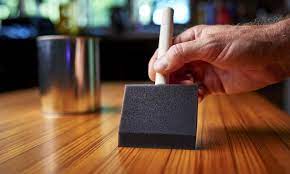
One of the challenges a woodworker will face is the drying and curing time of polyurethane, but there are simple ways a woodworker can follow to speed up polyurethane drying time despite opinions that the natural time of polyurethane is the best. Before we go into all that that has to do with other ways to speed up polyurethane drying time, let us remind you that there are two types of polyurethane. They are the oil-based and water-based polyurethane.
In the case of an oil-based polyurethane, it will take as long as twenty fours for it to get dried after applying it on a surface. This is different from the water-based polyurethane which requires only six hours to get dried after applying it on a wooden surface. Every woodworker should know that a difference lies in a varnish’s drying and curing time, and curing time talks about the amount of time you will have to wait for wood to get ready to be used when you are done with every process.
Despite having their respective drying times, there are certain factors that can influence the drying time of the oil-based and water-based polyurethane. This doesn’t take away the fact that water based polyurethane has a faster drying time compared to oil based polyurethane, but there are few factors that you need to be aware of which influences the drying time of both polyurethane types. Let us take a look at them below;
Factors That Affect Polyurethane Drying Time
Polyurethane Type
We cannot look away from the fact that water based polyurethane already has a quick drying time compared to oil based polyurethane, and this means you should consider using the water based polyurethane if you want to obtain a quick drying action or finish. It takes just six hours for the water based polyurethane to get dried so you can apply the next layer of sanding or finishing. Oil based polyurethane on the other hand takes twenty fours hours to get dried.
Wood Type
Aromatic cedar and rosewood are not recommended for use if you want to carrying out flooring of furniture, and this is because they tend to slow down cross linking. Cross linking needs to be carried out quickly as it is vital to a polyurethane curing and drying time. There are woods that can enhance polyurethane’s curing and drying time, meaning the type of wood you select will affect the drying and curing time of polyurethane applied on it.
Humidity And Temperature
Polyurethane when applied on wood will dry faster if there is high humidity and temperature, but it will take time to get dried if the humidity and temperature is decreased. Wood surface on the other hand will affect polyurethane’s drying and curing time, and polyurethane will not be properly absorbed when applied on a rough wooden surface. However, a well sanded wooden surface causes polyurethane to get dried quickly, so you can sand and apply a second layer of polyurethane.
Speed Up Polyurethane Drying Time

The essence of this post is to show you quick and simple ways you can speed up polyurethane’s drying time, and it will interest you to know that speeding up polyurethane drying time can be achieved in four different steps. These steps are what we want to talk about in our next lines, so we encourage you to continue reading this post.
How To Speed Up Polyurethane Drying Time
Apply Thinner
Thinning polyurethane using Naphtha will ensure polyurethane dries faster than expected, and this is because of Naphtha possesses a very high evaporating action compared to turpentine. If a thinner evaporates quickly then polyurethane will dry off quickly, and this is why so many people consider Naphtha to be the best product to thin polyurethane.
Water Based Polyurethane
Earlier in this post, we have severally talked about how fast water based polyurethane dries off compared to oil based polyurethane. Making use of a water based polyurethane will be the best choice for every woodworker that wants to finish up work on time, and wood will look not so tacky but dried after six hours of applying polyurethane. This paves way for you to do other things on wood like adding another polyurethane coating and sanding, and all that is left is for the wood to get cured in two days so it can be ready for use.
Once your wood is ready for you, you are permitted to place furniture on it or walk on it barefooted. You can also put back every other stuff you removed so you could apply polyurethane on floors.
Apply Heat
Another ideal way to speed up polyurethane drying time is heat application, and people have the option of use a heat lamp, space heaters, or hair dryers to heat up any surface where polyurethane was applied. This might not really speed up the the curing time of wood, but it can ensure that polyurethane dries off quickly than you imagine. Bearing this in mind, this should tell you that polyurethane will dry off quickly when applied on days with high temperature.
Low Humidity
Polyurethane will dry faster if humidity is low, but high humidity will cause polyurethane to have a longer drying time. Clean air conditioner filters or room dehumidifiers can cause low humidity in a room, so these are two things you will need if you want to have low humidity in a room where polyurethane is applied on wood. Trust this post when it says polyurethane will dry off quickly and get cured on time.
What To Do When Polyurethane Won’t Get Dried On Time
In so many cases, oil based polyurethane will still refuse to get dried despite taking one or two additional steps. This is not a case of having a bad finish, but a case where oil has refused to get dried. This might not necessarily be as a result of the product used, but it could be as a result of the wood being used contains oils that causes polyurethane to take longer to get dried. Speeding up polyurethane’s drying process in this case requires the use of applying heat. Heat can be applied either by using a blow dryer or a heat lamp.
Causes Of Polyurethane Not Drying On Time
There are few factors that could hinder polyurethane from getting dried on time, and these factors include;
Natural Oils – In this case, the wood used might contain natural oil, or maybe there is oil already rubbed on the surface of the wood. This might cause polyurethane to take longer to dry, and the only way to fix this is by wiping off the surface using Naphtha. You can also use Acetone to wipe the wooden surface, as they are both effective in getting rid of oils that can affect polyurethane’s drying and curing time on wood.
Waiting In Between Layers – Not allowing coats to get dried at intervals might cause polyurethane not to get dried on time, and stripping off polyurethane using acetone, paint stripper, or lacquer thinner might be required for use so you start all over and obtain desirable results. To fix this case, you can choose to apply heat either by using a blow lamp or a heat dryer.
Giving Short Time To Get Dried – If you do not allow a considerable time for polyurethane to get dried then you might end up with a very poor result at the end of the day. The way to tell if polyurethane is dried is by perceiving the smell coming from the wood, but this smell varies from one wood to another. Fixing this case will require you to wait in between coats for polyurethane to get dried before moving to the next step. It is also ideal for you to wait for as long as twenty four hours for polyurethane to get dried before adding another layer or coat.
Wrapping It Up – Speed Up Polyurethane Drying Time
From what you have read in this post, you will agree that humidity and temperature are two significant factors that speeds up polyurethane drying time when used wisely. Reducing humidity and increasing temperature is vital towards ensuring that polyurethane dries up quickly. It is very essential that water based polyurethane is used compared to oil based polyurethane because of the fast and quick drying time of water based polyurethane.
Overall, polyurethane will take as long as thirty days to get cured properly. so the best way to avoid worrying over polyurethane’s drying and curing time is applying it on a wooden surface thirty days before time.
Related Posts
Is Pressure Treated Wood Waterproof