It is a common fact that wood degradation and termite attacks do not happen on pressure treated wood, but one question that is yet to be answered or causing some problems for woodworkers remains is pressure treated wood waterproof? Treated woods can contain chemicals which passes into the wood via pressure means, and this makes the wood well protected against biological attacks caused by insects. No matter the chemical preservatives a treated wood contains, it is not water or moisture resistant.
This means for pressure treated woods to be waterproofed, sealing agents have to be used on them. The role of the sealing agents is to create a protective coat on the wood, and there are several sealant types that can be used in making pressure treated wood waterproof. These sealants include;
- Wood oils
- Lacquer
- Varnish etc
All of these sealants we have mentioned up there makes wood durable and waterproof, ensuring that pressure treated wood end up serving the purpose of the owner or woodworker. When making interior and exterior wood furniture, pressure treated woods remains the best choice of wood that can be used. This is because being pressure treated makes it durable, and they contain chemicals that makes them resistant to insect attacks.
Pressure treated woods are fully protected from termites that are capable of making wood to rot away, but the fact that these pressure treated woods are resistant to termite and chemical attacks doesn’t mean they are resistant to water and moisture attacks. When wood soaks, it loses moisture which causes the wood to get weaken. You will have to apply a waterproofing agent on the wood if you want to make your pressure treated wood waterproof.
Is Pressure Treated Wood Waterproof
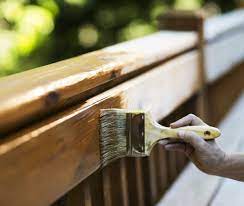
It is very essential that you add a coat of these waterproofing agent once every few years to retain its durability and sealing power, and trust a pressure treated wood to last for as long as forty years if it is properly maintained and cared for. One of the ways to make sure that your pressure treated wood lasts for as long as forty years is if it isn’t exposed for long to sunlight and ultraviolet rays, as they affect the durability of pressure treated wood.
How To Waterproof Pressure Treated Wood
There are various sealants that can be used in waterproofing pressure treated wood, and these sealants will help in forming a protective coating that will enhance the durability of the wood. Sealants you can use includes lacquer, seal combination, stain, wood oils, varnish, and polyurethane. Using any of these sealants will eventually boost the durability of pressure treated wood, but what you should know is these sealants do not have the same mode and method of application.
They also do not possess the same durability or curing time, but one thing you can be sure of is that using any of these sealants will make sure your wood is well protected and resistant to water attacks. Let us talk about the polyurethane and varnish sealants.
Polyurethane Sealants
The interesting fact about polyurethane sealants is they have several ingredients that allows woodworkers the luxury to select anyone they deem good for their work, and you can choose between picking a soft sheen or a high gloss shine. Not turning yellow quickly is one of the advantages a polyurethane sealant has over several other sealants on the market, and this feature makes them the best for use on light toned woods as they won’t turn yellow sooner.
Polyurethane sealants can be further divided into water-based polyurethane and oil-based polyurethane. Oil based polyurethane possesses durability that makes it last longer when it is used on woods, but you will have to make use of mineral spirits to wipe brush marks off the wood after applying the oil based polyurethane sealant. Water based polyurethane might not offer durability like its counterpart, but it can be cleaned using only soap and water.
Varnish Sealants
Varnish sealants are formed from drying oil, solvent, and resins which are capable of forming a hard shell finish on wood. This hard shell finish is what protects the wood against scratches, and it prevents the wood from turning yellow when working on the wood. It is advisable that woodworkers make use of a marine varnish sealant when working on outdoor wooden structures, and marine varnish sealants are known to contain UV absorbers.
Ultraviolet absorbers are good at blocking the effect of sunlight on wood, while Spar varnish on the other hand is best used when working on indoor wooden furniture. An example of such furniture is the tea table, and Spar varnish work effectively in preventing sticky cup rings on the wood. Cleaning up wood that has a Spar varnish on it requires the use of turpentine and mineral spirits.
Lacquer on the other hand contains the mixture of synthetic and tree resin, dissolved in alcohol, and this is one of the best sealants that a woodworker can use on wood. The problem that comes with using lacquer as a sealant on wood is it might turn yellow in no time, making lighter woods look colored. Despite the yellow coloration lacquer causes on wood, it provides wood with an extraordinary, luxurious, and clean finish.
There are different types of lacquer, and lacquer thinner can be used when you choose to make the wood look lighter. When waterproofing pressure treated woods generally, there are key materials you need to make use of. These materials are;
- Polyurethane
- Mineral spirits
- Tung and linseed oil
- Fine grit sandpaper
- Rags and towel
- Natural bristle paintbrush
- Water
- Liquid detergent
- Sprayer
- Safety googles
Methods on how to waterproof pressure treated wood
We will show you one of the best methods you can follow when you want to waterproof pressure treated woods, but what we want you to note is that the manufacturer’s instruction on any product you want to make use of should be followed carefully and not disobeyed. Paying attention to instructions from the manufacturers helps in identifying the right details that will help in getting work done.
Using Sealants – Varnish, Lacquer, And Polyurethane
One of the best ways a woodworker can make his pressure treated wood resistant to water is by applying sealants on the wood, and the use of varnish, lacquer, and polyurethane on wood will provide the wood with a high-quality finish that protects against wood vulnerability. You can decide to apply any of the sealants we have mentioned for you, but make sure you make use of a sprayer or brush in applying these sealants on wood.
The wood should be given ample time to get dried after applying the sealants then you can move to sanding and applying another coat of the sealant. It takes about six hours for water-based polyurethane to completely get dried, but it takes as long as thirty days for water based and oil based polyurethane to get dried. Water based polyurethane has a faster drying time, and this is why so many woodworkers prefer working with a water based polyurethane.
Generally, polyurethane formulas have a fast drying time as there are some that might take about fifteen minutes to get dried. Oil based polyurethane are known to contain volatile organic compounds which can be a hazard to human health, and this is why it is very vital that you work in a well ventilated environment with the right safety gear when working with an oil based polyurethane.
Stain And Sealant Combination
Earlier in this post, we mentioned the use of stain and sealant combination when making pressure treated wood waterproofed, and you might be a bit confused about this if it is your first time to hear about it. The benefit of using the stain and sealant combination is it doesn’t seal wood alone, but it also makes sure wood gets stained equally. This is why it is considered as a dual waterproof agent, and you can trust this product to save money and time rather than shop for both items separately.
Conclusion- Is Pressure Treated Wood Waterproof
Pressure treated can be resistant to wood rot as long as you use the right method and means. Without taking the right steps, pressure treated wood will only be resistant to termite attacks, but they will not be waterproof. This means they will absorb so much moisture that will cause them to swell and rot eventually. All these can be prevented when a sealant is applied on the wood.
We talked about the use of a sealant in waterproofing wood, but there are other methods that can be used. The stain and sealant combination can be used in protecting the surface of the wood from water attacks, and all of the methods listed in this post will make wood durable, making sure it lasts for a long period.