How to treat wood for indoor use is something you must have been pondering about if you are the type of person that loves doing most renovations in your home all by yourself.
One thing you ought to know about wood is they tend to serve a variety of purposes, and this is why you can use it for so many renovations at home like wardrobes, bookshelves, doors, and frames. At the same time, you should know that wood also comes cheap.
The cheap cost of wood also throws more light on why they are in high demand compared to the use of metals, and the fact that you can end up recycling wood also tells you that there is a lot that you can do with wood.
Before we go ahead and tell you how to treat wood for indoor use, we want to show you things you ought to take into consideration when selecting the wood. Here are a few things you need to take note of;
Checking If The Wood Is Clean
Wood is contaminated by chemicals if there are traces of discoloration, spill, stain, and spots on the wood. Therefore, you are advised to stay away from such wood if you do not know the type of chemical it came in contact with.
Checking for scents you cannot recognize is another thing you should look out for, and you should also know that wood comes with a distinct scent. This tells you that wood should never smell like chemicals.
Knowing the source of wood might not be as easy as you think, and this is why ignoring any wood with traces of chemicals in it should be avoided.
Avoid Woods That Have MB On It
Methyl Bromide is what MB starts for, which means pesticide was used when fumigating the wood. Despite being treated, this is not the right wood to use in your home for renovations. Woods that are safe for use indoors for renovations will have signs like DB (debarked), HT (heat-treated), and KN (kiln-dried).
Now that you know what to look out for when trying to select woods you can use for your indoor renovation, we want to show you where you can get good woods that you can use.
There are so many places you can get good wood, and you do not have to be worried about price as they tend to be pocket-friendly most times. Below are some places you can consider checking for wood to use for your indoor renovation at home.
Constriction Sites
A constriction site is a good place where you can source wood, and this is because using metal rods and cement only will not provide the needed support a structure deserves. Providing support for the building is what wood tends to offer.
Lumberyard
Another place to find wood with good quality is a lumberyard, and you are likely to find good pieces of wood lying around there. Since they are surplus materials most times, these are woods that are perfect for use in your homes for renovation purposes.
Landscaping And Gardening Business
This is another reliable place you will get quality wood from, and the fact that wood used here is used for holding the weight of plants makes this place a very good avenue for wood.
How to Treat Wood for Indoor Use
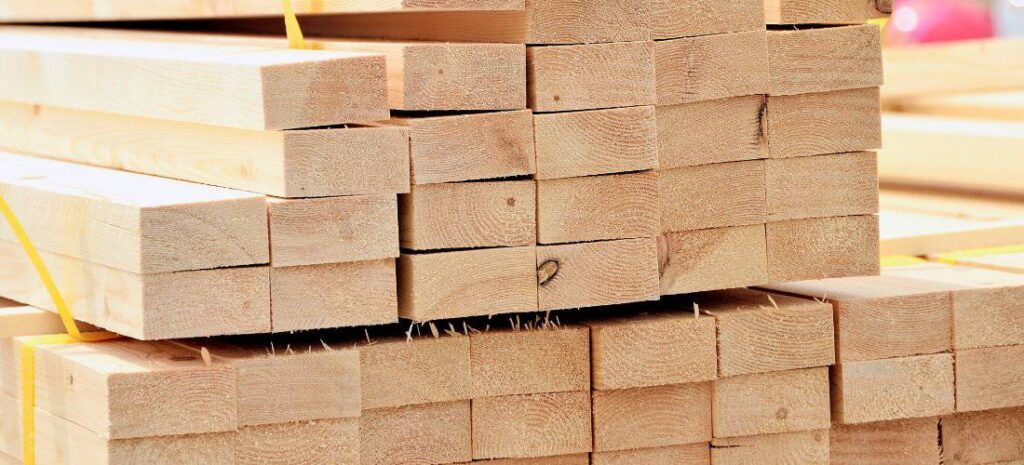
We are confident that you have the right knowledge that will help you when it comes to finding a suitable wood you can use in your home for renovations.
Since we are done with that, showing you how to treat wood for indoor use is the next we want to talk to you about. The next steps we want to show you are crucial, but you should also know that these steps are simplified processes, and all you have to do is follow instructions.
Clean It Up
Use soapy water mixed with bleach to clean up the wood, and you could also use a power washer if you own one. Leave the wood to get dried completely if you are done cleaning the wood, and ensure the wood gets dried before you go ahead and start working with it.
Break It Down
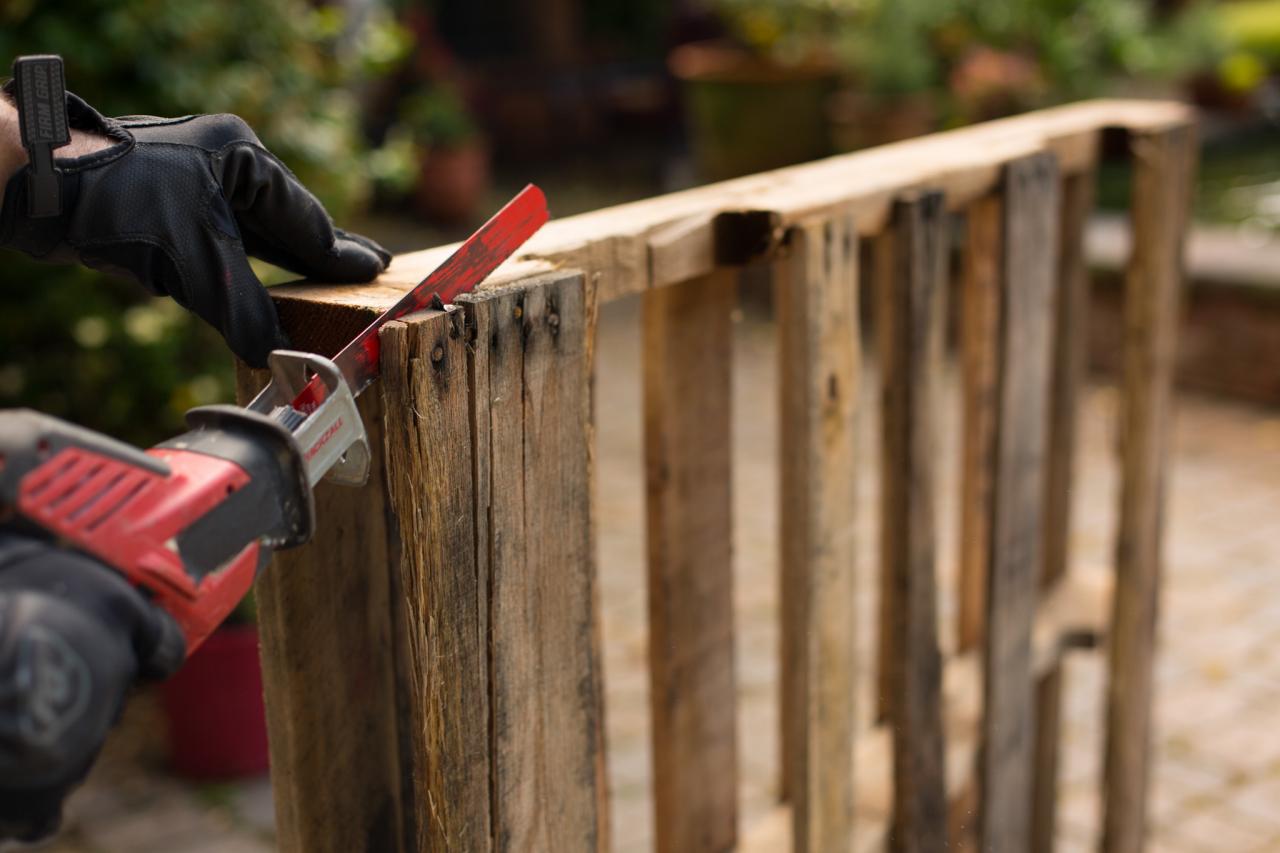
Breaking the wood down MIGHT be your next step to follow, but this depends on what project you need the wood for. It would be very helpful if tools for breaking down wood were available, and tools that you can make use of include;
- Nail Punch which is used for driving tough rings and screws
- Crowbar and Hammer which is used for separating and loosening tight planks
- Oscillating tools which are best used for getting rid of rusty nails
Sanding And Finishing The Wood
Sanding the wood to make it very smooth is the next step to take when treating wood for indoor use, and this also helps get rid of dirt on the surface of the wood.
Sanding will make painting the wood very easy, and note that taking your wood to a rustic aesthetic will make the wood have a perfect look. The use of natural beeswax finishing products makes sure the wood has a tarnished veneer appearance.
Cutting And Shaping The Wood
This means cutting the wood into any shape you want, but make sure that crack, splits, and holes are not in the wood you want to cut, resulting in more damage or breakage.
Benefits Of Using Treated Wood
You can use several types of wood for home renovations on the market, but using treated wood has proved to be the best option over the years. Below are some of the benefits that come with making use of treated wood for indoor use.
Durability – Treated wood is durable because it can fight back wear and tear.
Lifespan – Treated wood has high longevity compared to untreated wood, and this owes to the fact that there are preservatives used when making treated wood.
Price – The price of wood will depend on the type of wood you go for, and treated wood sometimes tends to be a bit higher than untreated wood. This is because of the process and materials used when treating it.
Protection – Protecting wood against weather can be achieved when staining the wood, but treated wood already comes with a barrier protecting against weathering.
Versatility – You can use treated wood for so many purposes, and their ability to be used when completing several tasks sets them apart from different wood types on the market
Resistant To Fire – One of the significant benefits of using treated wood is that it is resistant to fire, which is why treated wood burns slowly. It is slowing down the burning process of wood is one of the benefits of using treated wood over untreated wood.
Difference Between Treated And Untreated Wood

Treated wood makes use of chemicals in protecting the wood from harmful bugs and decay, and treated wood is the best wooden material you can make use of for outdoor projects like decks and benches.
You can also use treated wood for wood shingles and sliding doors. It should interest you to know that treated wood has been in use for so many years, and people in the old times used olive oil to prevent moisture from attacking the wood.
The more sophisticated ones are wood preservers, which still serve the same purpose of making certain wood doesn’t break down when it comes in contact with certain elements. They are also tasked with making sure wood isn’t attacked by rot.
On the other hand, Untreated wood is a wood used in its natural state, but they tend to be attacked and broken down by elements quickly. Cedars, teaks, redwood, and cypress are types of untreated wood.
Final Thoughts – How to Treat Wood for Indoor Use
Now that you know what steps to take when treating wood for indoor use, we encourage you to go ahead and start that renovation project you have wanted to start for a long time now.
You have absolutely nothing to be worried about, as all the steps we have mentioned in this post are efficient and effective. Also, remember to source wood from places we have outlined for you, and consider the benefits of using treated wood to untreated wood.
Trendy Posts
How To Remove Water Stains From Unfinished Wood
How To Restore Shine To Wood Table