We are constantly receiving one of the questions: Can you use non-pressure treated wood for a deck? Yes, you can use non pressure treated wood for a deck, but the disadvantage is that the wood would not last long.
The lifespan of such wood might not exceed five years, and the use of natural oils, stains, and sealants makes the wood more durable and offer protection against moisture.
If you do not seal your wood, you allow space for water to penetrate deeply into the wood, cause a biological invasion, and lead to wood decay in the end.
You must waterproof your wood if you want it to last longer and protect it against wood decay, and waterproof agents you can use are; lacquer, linseed oil, tung oil, stain sealant, varnish, and polyurethane.
All of these waterproof agents are capable of forming a protective cover that will repel excess sunlight and moisture from penetrating your wood. Before using a non-pressure treated wood for a deck, you should inform about the factors that will affect such wood.
However, there are two major factors capable of affecting such wood. They are sunlight and moisture, and let us look at how these factors affect non-pressure wood.
Factors That Affect Non Pressure Treated Wood
1. Moisture
This is one of the most critical factors that tend to affect a non-pressure treated wood, and it doesn’t matter whether the wood is treated in some cases. If moisture can find its way into the wood, it will spark a bacterial and fungal attack that eventually leads to wood rot.
Moisture hardly affects pressure-treated woods, but it will affect non-pressure-treated wood unless it has been waterproofed or sealed.
2. Sunlight
The effect of sunlight tends to be significant on non-pressure treated wood and pressure-treated wood. Prolonging exposure of this wood to sunlight causes the wood to dry out, and this will cause the wood to lose its glow, color, and eventually leading to warping of the wood.
Exposing wood to sunlight for a long also leads to wood cracking and wood splitting, but the use of marine varnish helps in waterproof decks so they can be protected against ultraviolet light.
How Long Can Non Pressure Treated Wood Last
This is one question that isn’t frequently asked but deserves an answer, and how you handle a non-pressure treated wood will determine the shelf life of the wood. Wooden decks might last as long as three to five years, but this is dependent on how this wood is maintained.
Exposing the deck to sunlight might cause the wood to start rotting, and the same goes when you expose wood to water.
These two factors cause wood to expand and contract, which will cut short the durability of the wood. What will make your wood last up to four to five years is if the wood is well sealed and waterproofed.
We will discuss some methods you can use to waterproof your wood so your decks can last longer.
Can You Use Non Pressure Treated Wood For A Deck
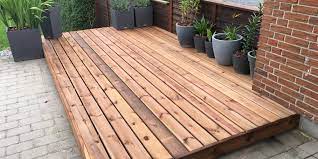
Protecting your wood against sunlight, moisture, and wood infesting bacteria requires waterproofing your wood, and there are ways you can waterproof your wood. However, this guide will show you one of the reliable methods to waterproof your wood using linseed oil and tung oil.
Using Linseed or Tung Oil To Waterproof Wood
For some decades, linseed and tung oil has been used to form a hand rubber finish that you can apply over a wooden surface, and linseed oil is gotten from a flax plant. On the other hand, Tung oil has a Chinese origin and is gotten from a tung tree.
Tung oil might require a longer drying time, but recent modifications have been made by mixing tung with other oils to quicken its drying time. Here are the steps involved in protecting wood using tung oil or linseed oil;
Step One – Clean The Wood
The first step you will take when using tung or linseed oil on your wood is to properly clean up the wood, which is essential to avoid grime and dirt on the wood. Then, you can proceed to use a fine sandpaper-grit for sanding the surface gently.
Step Two – Mix Your Solution
After cleaning up the wood you want to work on, the next step is to mix the solution you want to use. You will need a bucket to mix up the solution, and you should pour one part of the linseed or tung oil inside the bucket.
You must add one part polyurethane and one part mineral liquid, then mix the solution thoroughly. It would help if you considered reducing the mineral liquid amount you want to obtain a thicker solution.
You can also reduce the one portion of polyurethane if you are worried about the solution drying out before finishing up what you have to do. On the other hand, consider adding more polyurethane if you want to speed up the mixture’s drying time.
However, getting an already mixed solution of linseed oil or tung oil is also a good idea if you intend to avoid stress.
Step Three – Apply The Mixture
Applying the mixture is the third step you have to take after mixing the mixture, and the third step requires you to apply the mixture on the wood.
You will have to make use of a natural bristle brush to apply the mixture on the surface of the wood lightly, and allowing the mixture to penetrate the wood deeply is necessary so you can apply it over any surface that seems dry. You can use a clean rag to wipe off any excess mixture left on the wood.
Step Four – Allow It Dry
The mixture should be allowed to dry thoroughly after applying it to the wood, and even though this might take up to a few hours, you should consider leaving it all through the night.
Step Five – Sanding
You will need fine-grit sandpaper to sand the surface of the wood after the mixture has dried up thoroughly, and you should do this sanding lightly to get rid of dust from the deck so you can reapply the mixture on areas where necessary.
You should also leave the wood to dry for a while after sanding and reapplying the mixture on some surfaces.
Apart from using linseed or tung oil in protecting, sealing, and waterproofing your woods for outdoor use, there are two other methods you can count on to do the job for you. These methods are;
- The use of lacquer, varnish, or polyurethane
- The use of semi-transparent deck stains that makes non-pressure treated wood waterproof
How To Waterproof Wood Furniture For Outdoors
Untreated Wood Species To Use For Deck Outdoors
We have noted that most people believe that using a non-pressure treated wood for deck outdoors enhances the structure’s lifespan. However, there are species that you will find which possess natural chemicals even if they are used untreated for decks.
These chemicals are known to protect against insects and fight against harsh weather conditions. Some of these wood species include;
- Redwood
- Teak
- Cypress
- Cedar
Recommending non-pressure treated wood for decks outdoor is not one hundred percent wise because it is like exposing the wood to so many factors that will work against it to cut short its lifespan. These factors could be microorganism infestation, water, sunlight, and termites.
On the other hand, pressure-treated wood can be used in so many cases because it has a lifespan that can go as long as fifteen years.
Final Note – Can You Use Non Pressure Treated Wood For A Deck
Non-pressure treated wood can be used for decks, but these woods will require sealing and waterproofing if you want them to last for long. Since you will be using the deck outdoors, it is wise to waterproof it and seal it to protect against outdoor elements like sunlight and moisture.
It is inevitable for moisture and sunlight to attack wood, considering they are used outdoors. Therefore, we have outlined an excellent method you can use in sealing and waterproofing wood for outdoor use.
The method we discussed above has proved to be very reliable over the years, and you should follow every step we outlined above if you want to protect your wood and help it retain its elegant look. Non-pressure treated wood can be used for outdoor projects, but the type of wood you choose to use for any project outdoors has a crucial role to play.
We have provided some wood options for you in this guide, so selecting the right wood type won’t be a hassle. Every other information we have provided in this guide will teach you how to protect your wood against outdoor elements that can last longer.
Related Posts
How To Waterproof Painted Wood Furniture For Outdoors
How To Remove Oil Based Stain From Wood