
People are forced to ask, “Can You Put Polyurethane Over Acrylic Paint?” Unfortunately, homeowners ask this common question when they want to apply a fresh coating on a painted surface. This article will discuss this question shortly.
Homeowners are steadily deriving ways to make their homes retain its beauty and ensure it looks alive. It doesn’t matter if you recently painted your home with acrylic paint, but you can opt to apply new paint to it.
Can You Put Polyurethane Over Acrylic Paint?
The answer to this question is short and straightforward, YES. You can apply polyurethane on an acrylic painted surface, and it doesn’t matter whether you want to apply a water-based or oil-based polyurethane. However, you are advised not to use an oil-based polyurethane if you do not want the painted yellow.
Applying polyurethane over acrylic paint is a good idea to help your home look anew, and polyurethane on acrylic paint provides a glossy and bright finish, leaving homes sparkling new.
What Is Polyurethane?
You might be wondering what polyurethane is if you are a newbie to home and wood decoration and protection. Polyurethane is a petroleum-based product that can be used as an adhesive or for coatings, and what makes it unique is that it is plastic in a liquid form.
There are two types of polyurethane like we mentioned earlier, and these are the;
- Water-based polyurethane
- Oil-based polyurethane
When applied to paint, the oil-based polyurethane will leave an amber coloring on the surface, and it has a longer drying time.
Another way of identifying an oil-based polyurethane is it produces a slight odor when it eventually gets dried on a surface. In contrast, water-based polyurethane, on the other hand, does not provide an amber coloring when applied on a surface. It has a faster drying time compared to oil-based polyurethane.
Water-based polyurethane is more expensive than oil-based polyurethane, and they are also known to be low in heat and resistance. Therefore, it is not advisable to apply water-based polyurethane on surfaces that possess many chemicals or are constantly exposed to heat.
In terms of durability, oil-based polyurethane is more durable than water-based polyurethane. It also has the power to handle heat and chemicals, unlike water-based polyurethane.
What Is Acrylic Paint?
Acrylic paints are latex products that can get dried quickly, and it is commonly used for painting because it has high resistance to water. Apart from paintings, you can use acrylic paint for coating, and they are known to possess more flexibility than oils.
When dried, they tend to leave a soft exterior surface, making them more susceptible to dust and dirt. It is for this reason polyurethane is added to offer extra protection and extend its lifespan.
There are several other reasons you should add polyurethane to acrylic paints, not just for protection purposes alone.
Why Should You Add Polyurethane to Acrylic Paints?
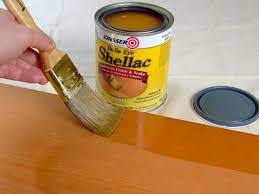
As stated earlier, adding polyurethane to acrylic paints goes deeper than just providing the acrylic paint with protection and prolonging its lifespan. There are other reasons why a homeowner would consider adding polyurethane to acrylic paint and adding brightness and more color.
When applied on a surface, acrylic paint dries darker and dull when wet, so adding polyurethane coatings makes it look brighter.
Polyurethane also can reduce dust and dirt attacks that build up with time and make a painting look very dull. It does this to create a water-resistant finish that makes sure paints do not have a dull appearance.
Maintaining shine and color is another reason why you should consider adding polyurethane to acrylic paint. However, as we mentioned earlier, acrylic paint always leaves a dark and dull finish when it gets dried.
It tends to leave a downcast look on the painter’s face when he compares the result when the paint was wet and dried. However, adding polyurethane to acrylic paint makes it not lose its color and brightness, and it will retain its shine and brightness for a longer time.
Finally, getting rid of unwanted little holes and providing a smooth finish is another benefit of adding polyurethane over acrylic paint.
Almost every homeowner knows that they can apply polyurethane over acrylic paint to make their home look new, shine brighter, and ensure the brightness and shine lasts for a long time.
It doesn’t mean polyurethane is the only material or item that can help in achieving that. Other coatings can be applied to acrylic paint, so let’s look at some of these coatings.
Other Types of Coatings You Can Put Over Acrylic Paint
Polyurethane is very popular, but there are other coatings you can apply over acrylic paint. Let us discuss these other coatings briefly below.
Shellac
It is available in liquid and solid forms, but the liquid form is preferable because of its extended shelf life. Shellac coating can be used on non-wooden items, and it should be applied using a clean rag or bristle brush.
Varnish
A top finish or topcoat is what Varnish means, and it contains a high ratio of durable solids. A popular Varnish example is the spar varnish, which you can use for several projects.
You can use it on wooden floors and doors outdoors to protect the wood from outdoor elements. It adds ultraviolet light to wood to add an extra layer of protection, and varnish can be added using a bristle brush.
Lacquer
It is the final coating that you can add to furniture, paint, and wood. It leaves behind a glossy finish, and what makes Lacquer respectable is its durability and resistance to damage. Of course, wearing off with time is a downside of using Lacquer, but it delivers an ultra-smooth finish when applied on wood.
It is thinner compared to other coatings we have talked about, and its thinness is responsible for the smooth finish it delivers. Applying lacquer requires a ventilated space and a low-presser sprayer.
How To Seal Acrylic Paint With MinWax Polycrylic Finish
Using the brushing method or spraying method are two approaches you can take when sealing acrylic paint. Whatever option you choose depends on what works for you, but so many people out there prefer the brush method.
The brush method is known to create a smoother finish than when you use the spraying method, but the spraying method also has an advantage over the brush method.
Using the spraying method will offer you access to places the brush cannot reach, so no method is obviously better than the other.
Like we mentioned earlier, whatever method you choose to go with depends on what works for you. Below is a step by step process on how to seal acrylic paint;
- It would help if you poured a small puddle of acrylic paint into the painter’s corner.
- The sealants should be worked using light strokes, while you should brush the outward corners.
- It would be best if you did the painting until the entire area is evenly covered.
- The brush should be washed using warm water till the entire sealant is out of it.
- Ensure the brush gets dried before you move on to the next coat. You might have to wait for about two to three hours in between coats.
Brushes/ Applicators to Use for Coating Paints
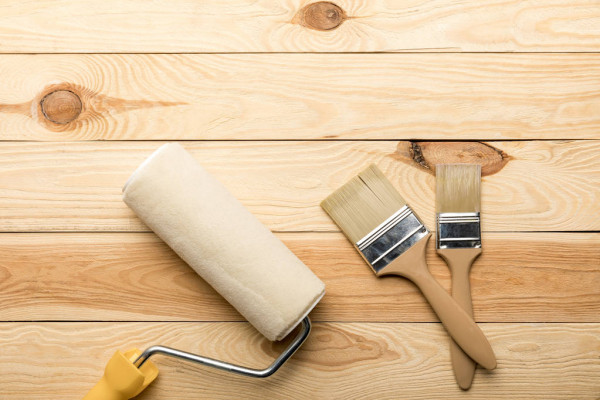
The synthetic brush is used for acrylic paints, the natural brush is used for oil-based finishes, and the synthetic brush is also used for water and latex-based finished.
You can use foams and rags for water-based and oil-based polyurethane finishes, but you can use an applicator when dealing with few specks of dust. The dust has the ability to interfere with your coating, and it does this by creating bubbles and rough finishes.
You must properly clean the work surface before starting any work, and this is to ensure that dust particles do not interfere with your work and its result.
It would help not to fret when you see bubbles popping up while working because it will settle as soon as the paint begins to dry out. However, you can opt to use a rag to wipe it out if you want it to settle quickly.
It is also very crucial that you stir the finish and not shaking it before applying if you do not want bubbles to pop up while you work. Three coats should be applied when using water-based polyurethane, while two should be applied when using an oil-based polyurethane.
Final Note – Can You Put Polyurethane Over Acrylic Paint
We hope this article has answered your question about whether it is okay to apply polyurethane over acrylic paint.
Applying polyurethane over acrylic paint is a good way to protect it and ensure it doesn’t have a dull appearance. The ideal way to achieve this is by applying one or two polyurethane coats on acrylic paints.
Related Posts
How Long For Paint To Dry Before Polyurethane