
How Many Coats Of Primer On Exterior Wood Will Be Ideal?
If you are not new to woodworking and painting then you are aware of how important primers are. A primer is a standout type of paint which serves as the right foundation for you to have your painting work on, and primers have the power to determine how long a paint is going to stay on a surface. Primers also helps in making walls look beautiful, and making sure a wall has a uniform and ideal look is another of its function.
Going by all of its benefits and functions, it is okay to ask how many coats of primer on exterior wood is required, and the case is a little bit different when you work to work on an exterior wood as exterior wood are constantly being attacked by external elements and factors. Most primers will require two coats on a wood surface, and two coats is enough to cover up tannins and stains that are capable of ruining your wood appearance.
When working on walls, using a primer is very crucial. In some cases, a paint will seem to stay firm on the wall and make the importance of a primer seem unnecessary, but not making use of a primer means you are likely to have a peeled, cracked, and blotchy final result. This might cause you to start painting the wall surface all over again or apply paint more than you ought to to get the result you need.
Priming walls on woods is very necessary based on the porous nature of woods, and you should be particular about priming on walls on unfinished woods. Most paints have low solid materials to fill up pores on an unfinished wood, and there are woods that have more porous parts compared to other woods. These porous areas absorbs stains differently than the non-porous parts, and this will create a lot of scars all around the wood.
Using exterior primers is very vital as they cut down on mildew growth and cracking. They are also instrumental in protecting wood surfaces from efflorescence and alkalinity, and they do all of these based on the unique formula they possess that makes them ideal for use on metal, brick, and wood. You might be wondering if there are different types of primer, and we will show you now the type of primer you should work with for best results.
What Primer Should I Use
Before going on to select a primer, you need to be aware of the fact that there are three different types of primer. They are the latex, oil-based, and shellac primer. The oil-based primers have been in use for several years but they have some drawbacks that discourages people from making use of it more. One of its drawbacks is its long drying time, and the oil based primer requires you to wait for about twenty fours to dry before applying paint.
Releasing volatile organic acids in high amount is another drawback of using the oil-based primer, as it is capable of affecting a person’s health. Oil based primers are ideal for exterior surface use since it can be easily and quickly absorbed, but being very challenging to clean is another setback that comes with using an oil-based primer. You will need mineral spirits to clean a primer, and not just soap and water.
Water based or latex primers are good primers too based on they do not release high amounts of volatile organic compounds and work good on excellent surfaces. What people do not like about using the water based or latex primers is they are not durable when used on exterior surfaces, and latex primers are known for showing stains with ease. It is not thick enough to cover up stains, but it works good and dries fast when used on softwood.
The ideal primer that has been praised for a long time is the shellac primer, and this is because it possesses several benefits and few negatives. It is best used for interior and exterior use, and the shellac primer has been in use for several years to seal wood and other surfaces. Latex primer is known to have a fast drying time, but shellac dries up more quicker than latex primer. It makes working fast and easy, and it will stick firmly to so many surfaces.
Providing a smooth and even result in covering up surfaces is what the shellac primer can do, but having high volatile organic compounds will require you to work in a well ventilated environment and make use of a protective gear. Shellac covers up well to prevent wood bleeding, dries faster, and covers up stains. It is likely to release fumes, thinning shellac primer is very easy. Cleaning shellac isn’t as hard as cleaning up oil based primers.
How Many Coats Of Primer On Exterior Wood
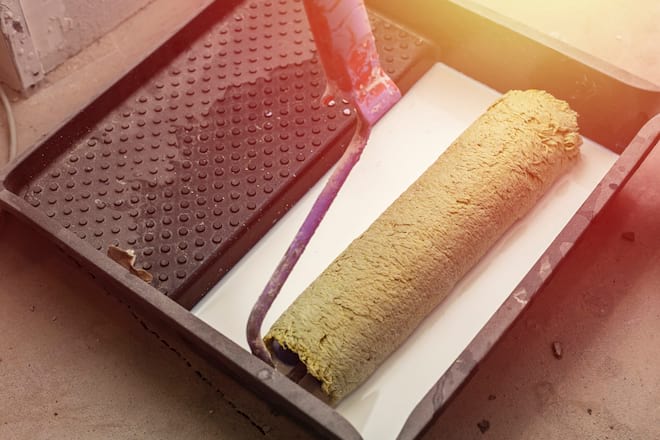
There might be an exception if few cases, but you will need a double coating if you are working with the oil based or shellac primer on exterior surfaces. When using an oil based primer, remember you will have to wait for as long as twenty four hours for the first coat to get dried, but how do you know the right time to stop coating with a primer? This is another question that is constantly being asked, and one this article is about to address.
You should stop coating when your surface shows no signs of wood peeping out from the layer or if the surface looks fully covered. One coating can be enough, but this is dependent on the primer being used and the surface being worked on. Using a water based primer means you will have to apply about three coats, and sanding the surface after each layer is necessary to get excellent results.
When Can I Use One Coat Primer
The following possibilities will require you to use one coat primer when working on any surface;
- When you are working with a tinted primer with a color half matching the paint, but you can use more coats if you are not pleased with the outcome
- When painting a color on a white wall because primers tend to white in color most times, so it will be enough for covering
- When working on an already existing paint coat. This will help in cutting down the amount of paint used for coverage and covering up imperfections quickly.
When Can I Use Two Coat Primer
Here are some instances when you can make use of two coat of primer;
When Painting Unfinished Woods
If you are working on a wood that has never been painted or primed then you will need more than one coat of primer. Pores will not be filled properly when using pure paints, and there will be little or no adhesiveness. Increasing primer content will fill up pores and make the surface leveled for painting.
Painting A Dark Colored Surface Using A Light Hue
You will require double coating if you intend switching from dark to light colors, and not doing this will cause the dark color to still be visible even when you are done with painting the surface. Applying double coats of primer is the only way to make sure the dark color doesn’t become visible when painting, and primers can be smoothly and easily applied just like when painting.
Pro Tips When Working With Primers
One of the points you need to note when working with a primer is filling up pores on the surface you want to work on, and the surface should be well sanded if you want the primer to be welcomed or accepted on the surface. The next thing you must do is clean away dust from the sanded surface, or you can make use of a hair blower to efficiently get rid of dust from the surface you want to work on.
Primers should not be sparingly applied but evenly applied, and remember that ventilation is a very important factor to consider when working with oil based and shellac primers. This is necessary because of the high volatile organic compound amounts that it has, and these compounds are capable of releasing fumes that can be dangerous to a person’s health.
Make sure you are working in a ventilated space and using protective gear when working with these types of primers.
Conclusion – How Many Coats Of Primer On Exterior Wood
With everything that we have said so far in this article, you can see that two amounts of primer is the best. Shellac primers remains the best option you can use when deciding what type of primer you want to work with, and this is blocks shellac primers works very good when it comes to blocking off stains, preventing bleeding and scars. You do not have to wait for lengthy hours to apply paint as the shellac primer has a quick drying time.
Applying shellac primers is easy, but you can consider making use of other primers you find suitable based on the information we have provided in this post.