
Outdoor elements are constantly attacking outdoor furniture and painted woods, and we are talking about outdoor items like chairs, tables, doors, and flower pots.
External conditions like heavy rain or scorching sun are likely to have a negative effect on these wooden outdoor items, and that is why we have brought you this detailed review on how to seal painted wood for outdoor use.
Sealing painted wood for outdoor use is a good way to protect them from outdoor elements capable of degrading them. Unfortunately, every wood finish is subjected to wear and tear by these outdoor elements, and wood will suffer fungal growth when attacked by rain.
It causes the wood to rot, while continuously exposing wood to sunlight causes it to get weak. Therefore, wood sealants can be used in protecting these woods against outdoor elements, causing them to last longer.
It is why you need to know how to seal painted wood for outdoor use because you do not need a professional to get it done for you.
There are so many products that will preserve the integrity of woods used outdoors, and these products, which we call sealants, don’t just protect woods against outdoor elements but make them very easy to clean.
Sealants also ensure that the wood finished does not peel off, ensuring that these woods maintain their natural color. You will learn about the types of sealants you can use in protecting woods outdoors.
Learning how to protect your furniture from rain is something you also need to learn how to do, and you also need to be well informed about the best exterior coats to use when working on painted woods.
Most people often ask if it is right to apply a wood sealant over painted wood. The answer is YES; it is okay to apply a wood sealer over painted woods as it will protect the wood against outdoor elements. A good exterior coat you can make use of when working on painted wood is the spar varnish.
The flexibility of the spar varnish makes it the best option when coating painted wooden surfaces, making it move with the wood when the wood is subjected to a change in humidity. In addition, Spar varnish is recommended because they contain UV blockers that protect wood against the scorching sun.
It would help if you had a good idea of the types of sealants used in sealing wood outdoors. Check them out below;
Types Of Sealants For Use On Woods Outdoors
Choosing the right coating or sealant will make sealing wood outdoors very effective, and there are wood sealants that you can use outdoors, while others will not give you the desired results when used outdoors. There are three wood sealants or coats that you can make use of when coating wood outdoors;
- Polycrylic
- Polyurethane
- Paint and sealer combination
How To Seal Painted Wood For Outdoor Use
How do you seal painted wood crafts successfully? What steps do you take when protecting your wooden items from elements like rain and the scorching sun? What is the right approach to take towards waterproofing outdoor paints? We will answer all of these questions as we show you a step-by-step guide to seal painted wood for outdoor use.
All of the steps we will be talking about shortly can be used when sealing and protecting any wood, so come with us as we show you these steps right away.
Step 1 – Find The Right Wood Sealant To Use
You must first identify the wood finish, as it could be oil-based or water-based. Water-based wood sealants can be used on acrylic or flat latex finishes, and you can use oil-based wood sealants on gloss surfaces or finishes.
Step 2 – Clean Surface Area Before Applying Sealant
If you want the clear topcoat to bond with the paint, you should ensure the surface is well cleaned and free from dirt. A surface that isn’t well cleaned will cause the oil to prevent the sealant from sealing up the surface properly.
You can use 220-grit sandpaper is eliminating rough spots before applying the sealant. In addition, you should use a tack cloth to clean up oil and dust from the wooden surface to ensure that your work surface is clean and ready.
Step 3 – Stir The Wood Sealant
If you want to stir the sealant before use, ensure it is stirred gently. Stirring gently is required to prevent bubbles from forming inside the fluid, which might affect the result you want to obtain after applying the sealant on the wood.
Step 4 – Apply Wood Sealant
There are two important things you should take note of when it comes to applying the wood sealant. These are the brush and the method you use in applying the sealant.
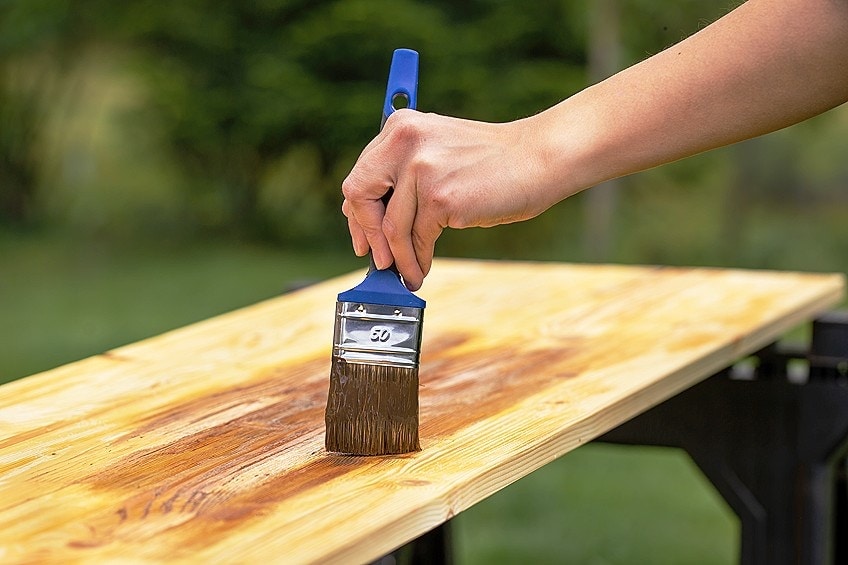
Finding the right brush to apply sealant is as important as finding the right clear coat to apply because using a better brush means you will have a better finish. Natural bristle brushes will swell when they contact water, therefore causing them to lose their shape.
Using a poor brush will affect your painted wood’s appearance, and this is why people are advised to use a synthetic brush when applying a sealant to the wood. In addition, synthetic brushes will not swell when they come in contact with water, and You should use natural brushes for oil-based polyurethane.
Step 5 – Sanding
The next step for you to take is to sand the surface, and you should sand lightly using 220-grit sandpaper. Finally, use a tack cloth is wiping off the sawdust from the surface after sanding.
Step 6 – Reapply Wood Sealant
Reapplying the wood sealant is the next step for you to take once more, and you should allow it to dry off completely to guarantee optimal protection and durability of the wood.
Step 7 – Sand Again
You are required to sand again while applying the sealant as you did before. You can choose to apply three extra coats of polyurethane or polyacrylic, but the coat becomes sticky if you apply too many or a very thick coat. You can prevent a sticky finish by sanding and drying between coatings, but you should not sand after the final coating.
Step 8 – Drying
It is the last and final step, and this involves allowing everything to dry up. It might take a few hours or allowing it to get dried all through the night to get your desired result.
Sealing And Treating Painted Wood For Outdoor Use
All of the best finishes you see on every wood will wear as time goes on, and this is why knowing how to seal and maintain outdoor furniture is very important. It would help if you chose finishes with moisture and UV blockers, and you should also choose paint with UV blockers.
You can also opt for an exterior primer with an oil-based coating, or you can use an exterior latex that has the properties of spar varnish.
Sanding
- Sanding properly is necessary to make the sealant adhere to the wood
- Ensure you seal off the wood completely
- Make sure you coat again yearly or every two years
- Be intentional about protecting your furniture from rain and sun. It is better furniture is left in the shade or protected against these elements so they can last longer
Wood sealants will protect outdoor wood, but they will not keep or maintain wood integrity for long. Using acrylic enamel in painting wooden surfaces makes the wood durable, and acrylic enamel is a waterproof paint that doesn’t require a top coat sealer to prevent moisture.
Paints that possess UV blockers are better used compared to a clear finish, and this is because they have the properties to last as long as seven years.
It tells you they are very durable, and you can trust paints to protect outdoor furniture from moisture and ultraviolet light. The best you can use in keeping your outdoor furniture and other wooden item protected is spar varnish.
Just like we mentioned earlier in this guide, using sealants is good, but how long can they preserve the integrity of your wood? Again, shielding them away from outdoor elements remains the best approach.
Conclusion – How To Seal Painted Wood For Outdoor Use
At the beginning of this review, we promised we would answer some of the questions you have once pondered about in terms of protecting wooden furniture and other wooden items outdoors.
We are hopeful that you have found the answers to your question at this point, and keep it in mind that every method or step we have discussed in this guide remains the best in protecting your wooden furniture outdoors.
We also went ahead to mention the best types of wood sealants you can use in protecting your woods outdoors, and all of these steps discussed in this guide don’t require the services of a professional to get it done. Instead, they are straightforward, and you can carry them out on your own to get desired results.